Amsterdam recently ranked top in the world for sustainability thanks to a potent cocktail of City Council policy, innovative, research intensive Universities, thriving private enterprise and confident public organisations.

Amsterdam led the way developing at scale the city circle scan leaving other capital cities trailing far behind. The city circle scan helped to identify areas in which the circular economy can thrive and turn a profit. One example is in the construction industry where material re-use has the potential to produce annual savings of €85 million, 900,000 tonnes less per year in waste and create an additional 1200 jobs.

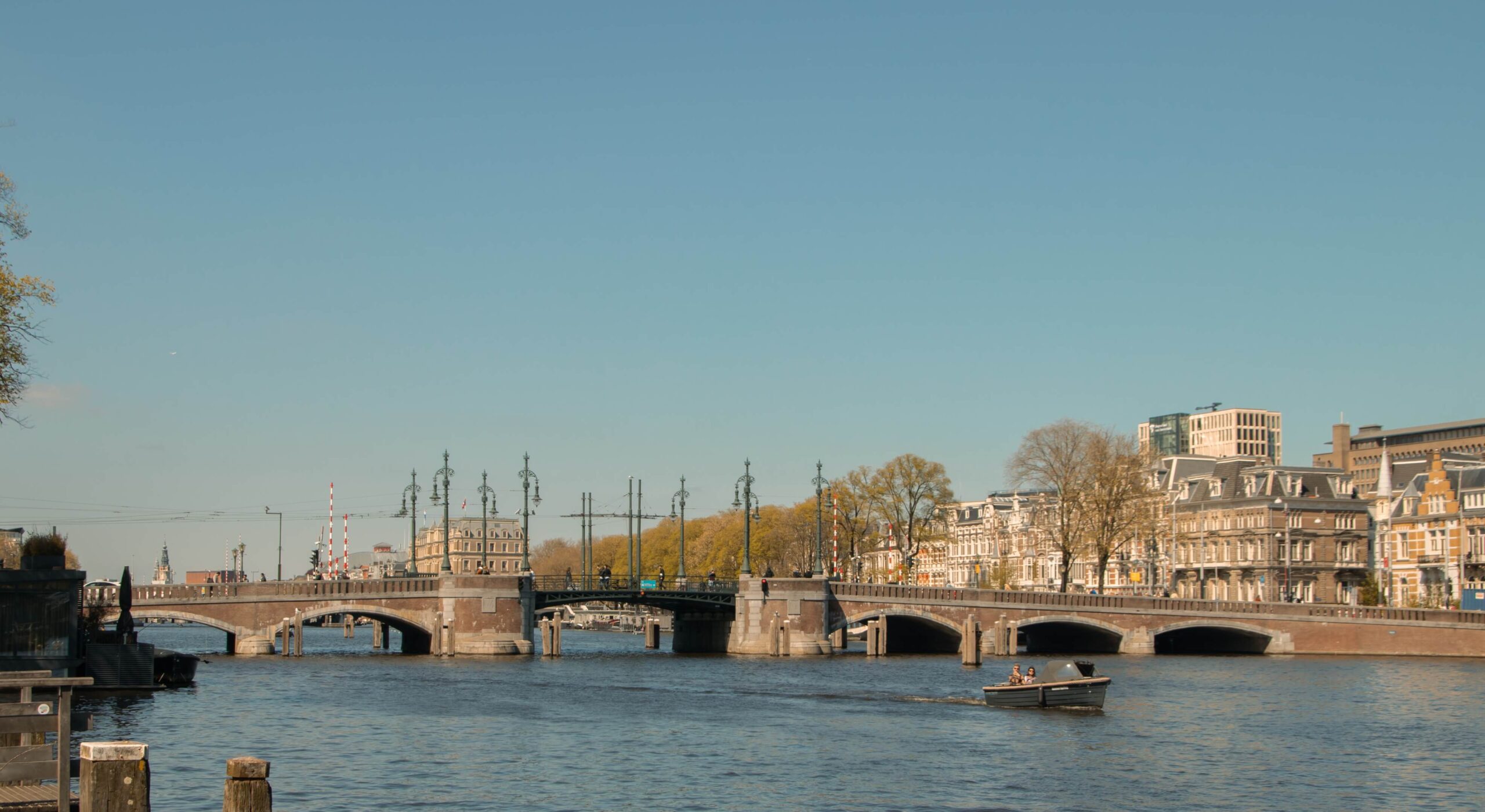
Amsterdam is no stranger to making significant adaptations to the city landscape. In 1933, Holland set about the largest land reclamation in history. The city is also admired across the globe for the unique cycle infrastructure – part of Amsterdam’s modern day DNA. Less than a century later, we are now at the precipice of another revolution. The once wealthiest city in the Western hemisphere is once again making historic moves which will have an impact on generations to come. From the floating eco-communities of Amsterdam to the first circular district; Buiksloterham. These inspiring projects are making use of living with water, specifically the River IJ. There are nations on the immediate edge of succumbing to rising tides, these nations can look towards Amsterdam for a solution. Amsterdam is also the first European city to embrace the work of a British economist, Professor Kate Rawarth’s doughnut model. At its core, the doughnut model is about ensuring the needs of everyone are met in balance with the planet.

Architects in Amsterdam fired the starting pistol a while ago. Duivendrecht based i29 designed Schoonechip – angular designed floating homes in conjunction with ambitious locals and Space & Matter Urban Plan. The Port of Amsterdam has promised to be a port with a minimal foot print. By 2030, it hopes to be one of the top sustainable ports on the continent. By 2050, it wants to be a fully circular operation. Livability, circular economy, energy transition and clean shipping.
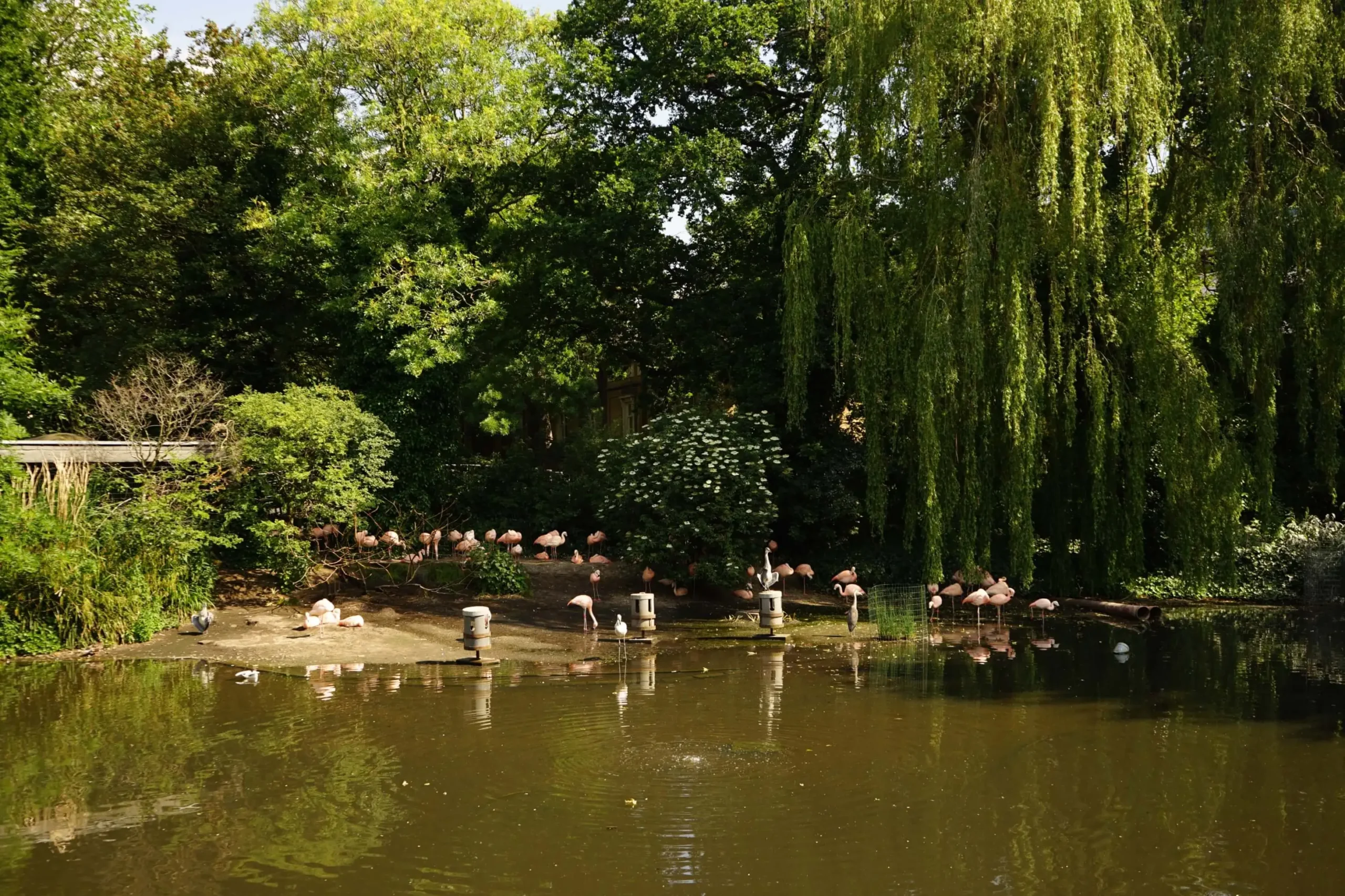
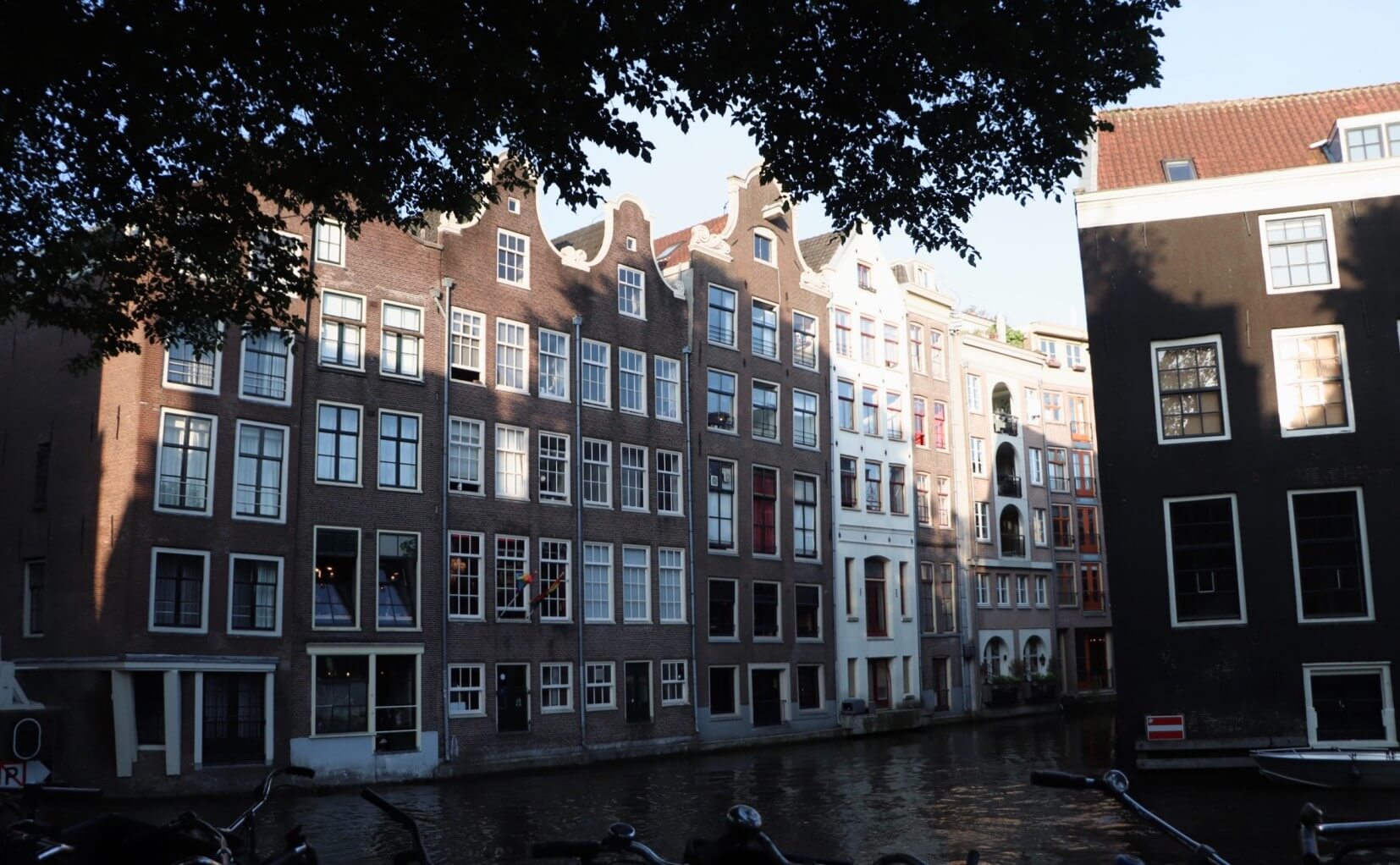
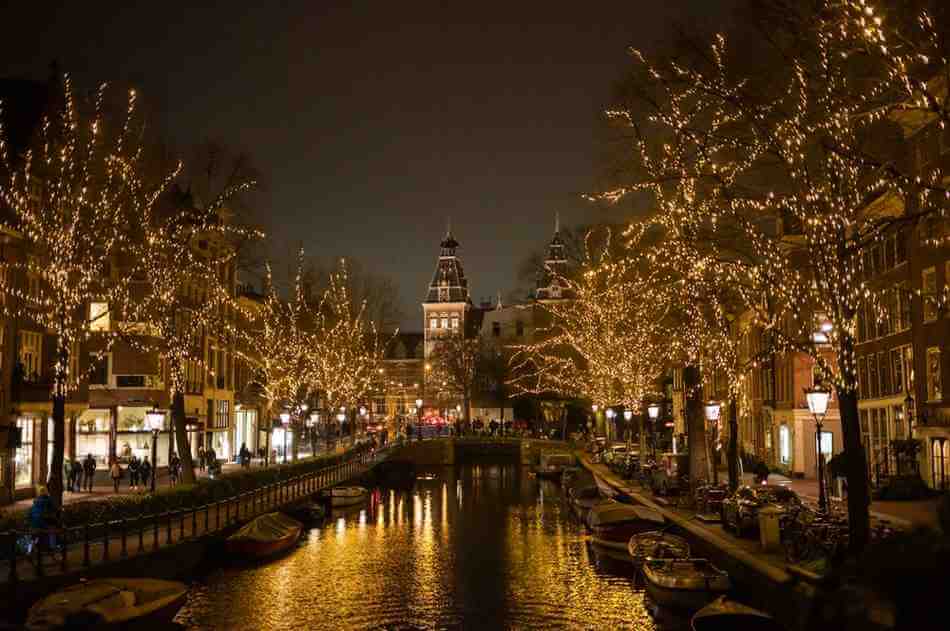
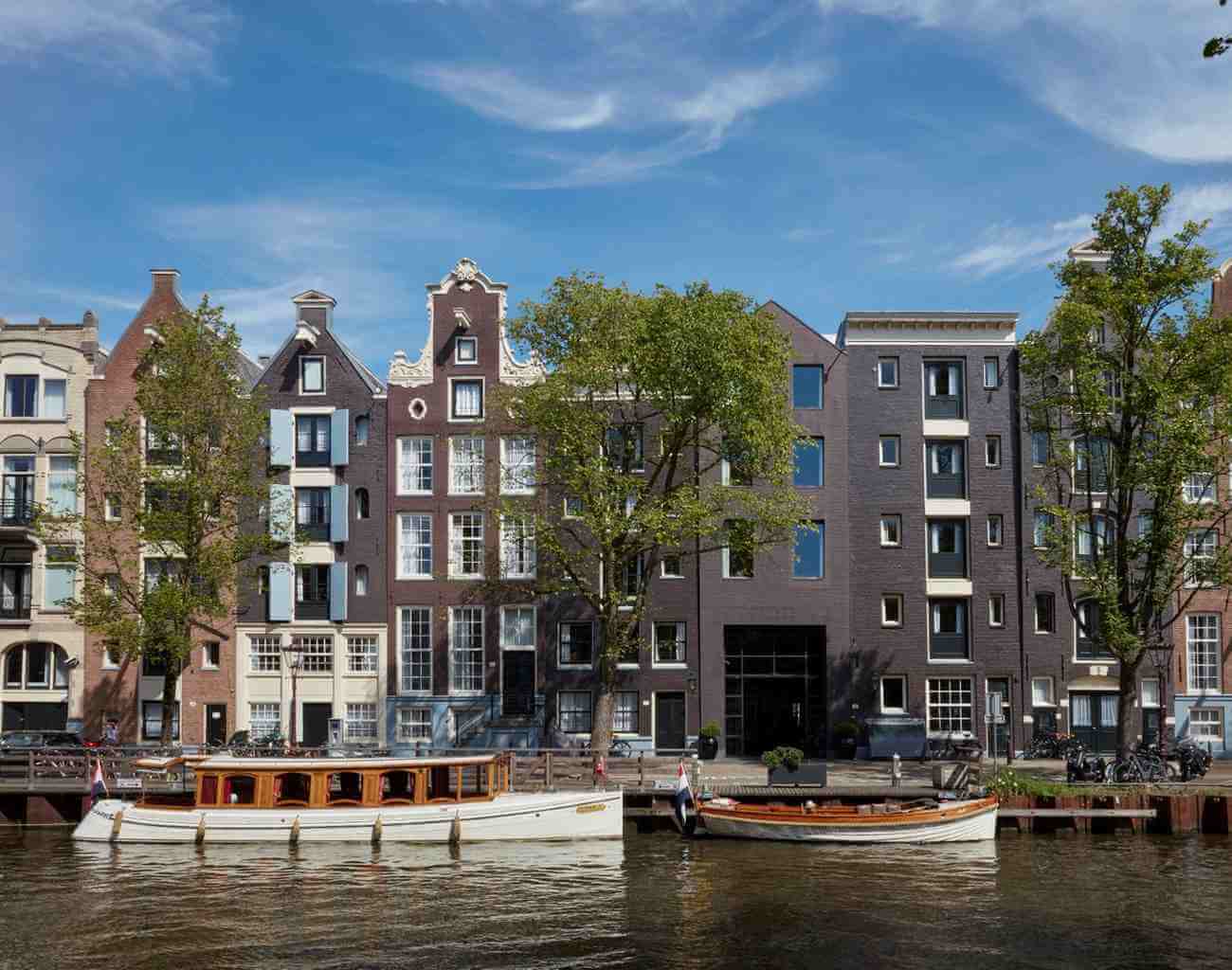
Protecting the bio-diversity is essential – it goes hand in hand with reducing our use of fossil fuels and becoming carbon neutral. Part of the integral design is BiodiverCITY which looks at green spaces, roofs and underground sites to build healthy living environments for all. The canals, harbours and the river IJ are home to around 65 freshwater and marine species, including birds using the water to feed. This was not always the case, the canal waters of the past were absent of all life. Now the waterways are buzzing with species again and the canals are lined with hundreds of thousands of trees, essential to the environment of any city.

Schiphol airport recently tested the first hydrogen GPU in a joint partnership with the European Commission. The KLM aircraft, a city hopper, used H2-GPU to supply electricity which powered lighting in the cockpit. The Royal Schiphol Group has big plans to become the most sustainable airport on earth. From ground transport to and from the airport in the form to electric vehicles, recycling and bringing down the 2005 levels of C02 emissions. The group now participates in pilot projects with private and public organisations which includes investing in a new Biokerosene refinery, synthetic kerosene at Rotterdam airport and charging fees for different aircraft landing at the airport.
Rail travel is having a resurgence in Europe. Amsterdam Central Train Station is at the heart of a highly connected continent. Passengers currently arrive into Amsterdam Centraal station from all across Europe. Berlin, Vienna, Budapest, London and Brussels are regularly running high speed trains into the station on Eurostar, Thalys and Intercity Deutsche Bahn. The overnight sleeper trains are looking likely to be a strong contender to compete with air travel in the very near future if they are competitively pricing and focusing on comfort with experience. NS, the national train operator for the Netherlands is the first operator to run solely on green electricity.
The city municipality have been bold in their thinking and execution. “Our city of tomorrow” plan is a must read for all and instrumental to how the city will navigate the upcoming changes. Within the plan it details three transitions; energy, green and circular. The plan includes everyone, from residents to small organisations trying to adapt. On the 1st January 2025, the area inside the S100 ring road will now be a zero emission zone. By 2030, the measurable goals include emission free traffic within the A10 ring road, 80% of energy used by households comes from solar and wind, use of raw materials reduced by 50% and Co2 emissions down by 60% in comparison to 1990. The city council also adopted Professor Kate Raworth’s doughnut economics. The commitment to erasing the canals of diesel powered boats and replacing with electric commercial boats has been a success. Imagine that by 2040 all the city roofs are utilised for solar energy, powering neighbourhoods with all their electrical needs. In just over 25 years, by 2050, Amsterdam aims to become climate adaptive with zero Co2 emissions.

The University Of Amsterdam (UvA) now uses hardly any gas at Science Park and Roeterseiland, a notable achievement although the reliance on electricity has increased. The white paper on sustainability lists realistic and achievable objectives such as a 25% reduction of the ecological footprint in ICT services across 5 years. The banning of disposable water bottles and 100% collection for the processing of ICT equipment. The university is developing the events and conference sphere and now hosts a major conference every two years on sustainability and it encourages students to engage with the Green office. The objectives also extend into the curriculum with all degree programmes now giving spotlight to sustainability. The university is actively encouraging students to become pioneers in sustainability, a significant step in ensuring the thousands of students who will graduate in the upcoming years are prepared to bring this knowledge into every organisation. The university is leveraging the strong research attributes it can bring to the Amsterdam, the Netherlands and ultimately the world. The University Of Amsterdam institutes are globally renowned and it is the strategic approach to collaboration with internal and external partners which will develop significant opportunities.
Vrije University Amsterdam ranks in the top three sustainable universities in the Netherlands. The university contributes to all 17 UN sustainable development goals. The Amsterdam Sustainability Institute is the research arm to the University acting as a knowledge centre and bridge to external partners. Initiatives launched include VU scientists using artificial intelligence to predict weather to working with low income countries. VU has 56 projects ongoing around the campus and is renewing buildings with sustainability at the forefront. Peat and living labs on the roofs are also part of projects and the campus aims to be one of the largest green spaces in Zuidas.
Dozens upon dozens of sustainable companies in Amsterdam are flourishing, and turning a profit. Sea Going Green specialises in regenerative and carbon reduction strategies for the tourism industry. Root sustainability guide individuals and companies to collect primary data and calculate environmental impacts. Sunt food rescues bananas and turns them into healthy and innovative products such as banana bread and granola. Emerging Amsterdam based assets manager ILX management is bolstering finance for climate smart solutions around the world. The world’s most sustainable company, Schneider electrics offices on Keizersgracht are BREEAM Excellent certified. The international institute for environment and development (IIED) calls Amsterdam its home. The Plantage based organisation is committed to bringing sustainable development between Europe and the Global South.
In 1997 European leaders gathered on the banks of the Amstel for a group photo following the signing of The Amsterdam treaty. Two years later, article 3c of the treaty came into effect – environmental protection integrated into EU sector policy, a key moment. The Netherlands has always played a pivotal role in shaping European sustainable policy. From Rotterdam to Delft to Wageningen, each city and town contribute to thought, innovation and invention. The EU has consistently provided leadership on sustainability to American and Asian counterparts in areas of policy and strategy. Draft documentation released recently by the European Commission in Brussels shows a startling figure – the EU must invest around 1.5tn a year to meet climate commitment targets. This is also set against the backdrop in a steep decline of climate focused funds, geo-politics and domination of supply chains by state backed companies. It’s not all bad news in the macro environment though – assets under management in climate focused funds rose by 14%.